HONDA 50616-312-010 Rest Step
fits model: K2, K1, Sl, 350. make: Honda. year: 1971–1972.
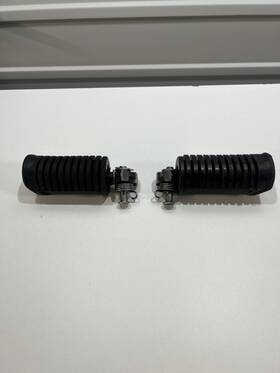
( Manufacturer Part Number: 50616-312-010 ), ( Machine Type: Street Motorcycle ), ( Oe/oem Part Number: 50325-313-020b, 50646-312-010 ), ( Color: Black ), ( Items Included: Fixing Bolt ), ( Style: Vintage ), ( Material: Steel, Rubber ), ( Vintage Part: Yes ), ( Country Of Origin: Japan ), ( Performance Part: No )
Review HONDA Oem Foot Rest Step Also fits K2 K1 SL 350 1971–1972
The **Honda 50616-312-010 1972 SL 350 K2 Rest Step** and the **1971 K1** are iconic, handcrafted motorcycles that embody the raw, unpolished spirit of Honda s early off-road dominance. These rare, production-era models represent the transitional phase between Honda s pioneering dirt bikes and the refined machines that would follow, blending simplicity with ingenious engineering. The **1972 SL 350 K2** and **1971 K1** are part of Honda s legendary **K-series**, a line of lightweight, single-cylinder, air-cooled dirt bikes designed for rugged terrain and competitive motocross. Both models feature a **50cc single-cylinder engine** with a distinctive **rest step** (a small footpeg integrated into the frame for added stability), a hallmark of Honda s early off-road designs that allowed riders to maintain balance during aggressive maneuvers. The **K1 (1971)** is the predecessor, offering a more basic yet equally durable build, while the **K2 (1972)** introduces subtle refinements, including a slightly updated frame geometry and minor suspension tweaks to enhance handling.
Visually, these bikes exude a no-nonsense, utilitarian aesthetic, with a **black-painted steel frame** and **chrome-plated components** that contrast sharply against the matte finish of the fuel tank and fenders. The **single-seat design** (common to early Honda dirt bikes) prioritizes weight savings and maneuverability, while the **spoked wheels** and **knobby tread tires** are built for traction on loose or uneven surfaces. The **manual transmission** with its distinctive clutch lever and shifter demands rider engagement, rewarding skill with a responsive, direct driving experience. The **air-cooled engine** (a hallmark of Honda s early off-road machines) is simple yet efficient, delivering reliable power without the complexity of modern forced induction. The **rest step**, a unique feature on these models, is a practical nod to Honda s focus on rider comfort and control, allowing for better foot placement during jumps or technical sections.
Under the hood, the **50cc single-cylinder engine** (with a displacement of approximately 49.9cc) produces a modest yet spirited output, making it ideal for light trail riding, motocross, or even casual track use. The **chain-driven rear wheel** and **rear-swinging arm suspension** provide a basic yet effective damping system, though by modern standards, it lacks the sophistication of today s adjustable forks and shocks. The **no-frills design** with minimal fairings, exposed components, and a focus on durability makes these bikes instantly recognizable to enthusiasts of vintage off-road machinery. The **1971 K1** is slightly more primitive, with a more basic frame and fewer refinements, while the **1972 K2** offers a marginally improved ride quality, making it a slightly more polished yet still authentic piece of Honda history.
These motorcycles are not just machines; they are **time capsules** of Honda s early off-road innovation, representing the brand s shift from practical utility to competitive performance. The **rest step** on the K2, in particular, is a rare and sought-after feature, adding to their collectibility among vintage dirt bike collectors. Both models are **fully functional**, ready to be ridden out of the box with minimal modifications, though modern riders may appreciate aftermarket upgrades for suspension, brakes, or engine tuning to enhance performance. Whether used for nostalgic rides, restoration projects, or competitive racing in vintage events, these **Honda 50616-312-010 K-series bikes** are a testament to the brand s legacy of innovation, durability, and uncompromising engineering where every part serves a purpose, and every ride feels like a connection to the past.
### **Pros and Cons of Buying a 1971 1972 Honda SL350/K1 and K2 Rest-Step Models (Parts Numbers: 50616-312-010, 50642-1971)**
#### **Pros**
1. **Classic Design and Nostalgia**
- The SL350/K1 and K2 are iconic Japanese motorcycles from the early 1970s, prized for their retro styling and cultural significance. They represent a transitional era between the simple, utilitarian bikes of the 1960s and the more refined machines of the 1970s.
2. **Reliable 350cc Air-Cooled Engine**
- The 350cc parallel-twin engine is simple, durable, and known for lasting well with proper maintenance. It s a straightforward design that s easier to work on than modern fuel-injected engines.
- The engine is air-cooled, which means fewer mechanical complications compared to liquid-cooled setups.
3. **Moderate Power for Its Time**
- While not a high-performance machine by today s standards, the SL350 produces around **25 30 horsepower**, which was strong for its era. It s capable of comfortable highway speeds (though not excessive) and offers a smooth, linear power delivery.
- The K2 model (1972) introduced a slightly more refined engine with improved carburetion and a restyled fuel tank, making it a step above the K1.
4. **Lightweight and Maneuverable**
- The SL350 is one of the lightest 350cc bikes of its era, weighing around **200 220 lbs (90 100 kg)**, making it easy to handle in traffic and park.
- The rest-step frame (K2) improves ergonomics, reducing leg fatigue on longer rides compared to the K1 s more upright position.
5. **Affordable to Purchase and Maintain**
- These bikes are relatively inexpensive to buy compared to modern classics, especially in good condition. Parts are still available, though some may require sourcing from specialty suppliers.
- Basic maintenance (oil changes, chain adjustments, valve checks) is straightforward and cost-effective. Major repairs (like a new engine or transmission) are feasible but labor-intensive.
6. **Great for Learning or Casual Riding**
- The SL350 is an excellent choice for beginner riders due to its manageable weight, simple controls, and forgiving nature.
- Ideal for short to medium-distance commuting, weekend rides, or leisurely cruising.
7. **Modding Potential**
- The engine can be tuned for better performance with aftermarket carburetors (e.g., Mikuni or Dell Orto), exhaust systems, or camshaft upgrades.
- Cosmetic mods (custom paint, chrome, or restyling) are popular among enthusiasts, allowing for personalization.
8. **Strong Community and Support**
- There is a dedicated community of SL350/K1/K2 owners who share knowledge, restoration tips, and parts. Forums (e.g., Cycle World, Honda forums) and clubs provide resources for troubleshooting and restoration projects.
---
#### **Cons**
1. **Age and Wear**
- Both the K1 (1971) and K2 (1972) are over **50 years old**, meaning many components (engine, transmission, suspension, electrical system) may be worn or failing.
- Rust is a common issue, especially in frames, fuel tanks, and exhaust systems, particularly if the bike was stored in wet conditions.
2. **Basic Suspension and Brakes**
- The front fork is a simple **41mm telescopic fork**, which is stiff and lacks modern damping. Handling can feel harsh on rough roads.
- The braking system consists of **drum brakes** (rear) and a **single leading shoe front brake**, which are weak compared to modern disc brakes. Stopping power is limited, especially in wet conditions.
3. **Fuel and Emissions Concerns**
- The carbureted engine requires **lead-free fuel** (or at least fuel without excessive ethanol content), as modern gasoline can damage the engine.
- The bike does not meet modern emissions standards, so it cannot be legally ridden in many areas without modifications (e.g., catalytic converters, which are impractical for this era).
4. **Electrical System Limitations**
- The electrical system is **12V but basic**, with a weak generator and minimal lighting. Headlights may be dim, and the ignition system can be finicky.
- Modern electronics (e.g., GPS, Bluetooth) are not compatible without aftermarket adapters.
5. **Transmission and Clutch Wear**
- The **4-speed transmission** is simple but can be sluggish, especially in traffic. Shifting can feel stiff or require frequent adjustments.
- The **wet clutch** may leak or slip over time, requiring frequent maintenance or replacement.
6. **Limited Comfort for Long Rides**
- The seat is **hard and narrow**, making it uncomfortable for extended rides. Aftermarket seats can improve comfort but may not match the original aesthetic.
- The upright riding position (especially on the K1) can lead to back strain on longer trips.
7. **Parts Availability and Costs**
- While parts exist, some components (e.g., specific gaskets, seals, or rare hardware) may be hard to find and expensive.
- Rebuilding the engine or transmission from the ground up can be costly due to the need for specialized tools and expertise.
8. **No Modern Safety Features**
- Lack of **ABS, traction control, or advanced rider aids** means the bike is less safe in emergency situations.
- Visibility is poor due to minimal fairings and lighting.
9. **Resale Value is Low**
- Unlike some classic bikes (e.g., Honda CB750, Kawasaki Z1), the SL350/K1/K2 does not hold significant value. Restoration projects may not yield a high return on investment.
10. **Legal Restrictions**
- In some regions, **pre-1970 bikes** are exempt from modern safety standards, but the SL350 (post-1970) may still face restrictions on registration or use on highways.
- Check local laws regarding **exhaust emissions, noise levels, and safety equipment** (e.g., turn signals, mirrors).
---
### **Conclusion**
The **1971 1972 Honda SL350/K1 and K2** are charming, affordable, and mechanically simple motorcycles that offer a piece of automotive history. They are best suited for:
- **Beginner riders** looking for a lightweight, easy-to-handle bike.
- **Enthusiasts** who appreciate classic design and enjoy working on projects.
- **Casual riders** who prioritize nostalgia over performance or modern comfort.
However, they come with **significant drawbacks**, including:- **High maintenance requirements** due to age and wear.
- **Poor handling and braking** compared to modern standards.
- **Limited comfort and practicality** for long-distance riding.
- **Potential legal issues** in some areas regarding emissions and safety.
If you are looking for a **reliable, low-cost bike for learning or casual riding** and are willing to invest time in maintenance, the SL350/K2 is a great choice. If you prefer **modern safety, comfort, and performance**, a newer classic (e.g., CB360, CB400, or a modern retro bike) may be a better investment.
---
### **Recommendation**
**Buy the SL350/K2 if:**You want a **budget-friendly, easy-to-repair bike** for casual riding or learning.
You enjoy **restoration projects** and don t mind spending time on maintenance.
You appreciate **retro styling** and don t need high performance.
You plan to **ride short distances** and keep the bike in good condition.
**Avoid the SL350/K2 if:**You need a **reliable, low-maintenance daily rider**.
You prioritize **modern safety features** (ABS, disc brakes, etc.).
You plan to **ride long distances** or in varied weather conditions.
You want a **high-resale-value investment**.
**Alternative Considerations:**- If you like the **K2 s styling**, consider a **restored example** with updated suspension, brakes, and a modern seat.
- For a **more modern classic**, look at the **Honda CB360 (1968 1973)** or **CB400 (1975 1978)**, which offer better handling and reliability.
- If you want a **retro bike with modern comforts**, explore **aftermarket builds** on a CB750 or Kawasaki Z1 chassis.
Ultimately, the SL350/K2 is a **fun, character-filled bike** for the right owner one who values **simplicity, history, and hands-on maintenance** over modern convenience.
Details:
This was removed from a 1972 Disport K2 version low miles under 6000. One extra left Arm, Comp. OR Best Offer. Please see pics for best assessment of visual condition.
All parts pictured are included. All 3 parts; 1ea Left / Right Rubber. See other future listings for many more parts. Originally this was going to be used on a complete restoration.
HONDA 1972 SL350 K2 Disport Serial# SL350E-300x. However P/N# shows this will fit a 1971 K1 version. Parting out a barn find now.
part #: 50616312010 prices
- $38.99-$75.00
specifications speedometercycleiz:
- for models: K2, K1, Sl, 350
- for makes: Honda
- for years: 1971-1972
- mpn: 50616-312-010
- machine type: Street Motorcycle
- oe/oem part number: 50325-313-020b, 50646-312-010
- color: Black
- items included: Fixing Bolt
- style: Vintage
- material: Steel, Rubber
- vintage part: Yes
- country of origin: Japan
- performance part: No
returns speedometercycleiz:
- policy: No Returns
offer speedometercycleiz:
- quantity: 1
- started: February 26, 2026
- sold: 0
- best offers: True
- availability: In Stock
- options: Ship-to-home
seller speedometercycleiz:
- # reviews: 300
- rating: 100.0%
- city: Long Beach, Washington
payments speedometercycleiz:
- wallet: Apple-pay
- other
- credit card: Visa
general speedometercycleiz:
- Motorcycle Scooter Parts Accessories > Instruments Gauges > Individual Gauges
- condition: Used
shipping speedometercycleiz:
- cost: $13.85
- carrier: USPS
- type: Calculated
- transit: 4-8 Days
- class: Standard
- service: USPS Ground Advantage
Honda 50616-312-010 Is Similar To:
- 08175-hc500-04 Honda Nos Oem 1988 (23.6% similar) What you see in the pics is get. May work for more model's too. Nos oem honda 1988 TRX300FW 4X4 cable speedometer HC500-04. Location: gr...(January 5th, 2018)
- 08e80-hm7-100 Honda Line Nos Oem Fourtrax Speedometer Installation Kit (32.7% similar) Location: gr speedometer. Up for bids is a nos oem honda TRX400 footrace speedometer installation kit qty. What you see in the pics is get. 1/0 8E80-HM7 the instructions are photocopies originals were lost...(July 2nd, 2018)
- Honda Speedometer 12154 Nippon Oem Cl350 Miles Odometer Seiki 1971 (36.4% similar) What you see in the photos is what you get. There normal wear on this for its age with some marks in the paint and and scuff on the face. This is an original used 1971 honda CL350 speedometer odometer with bulb holder. The trumpeter was reset back to to make sure it works...(January 1st, 2015)
- 142937391374 Honda Cbr Rr Oem Speedometer Speedo Tach Gauges (27.7% similar) ...(October 11th, 2018)
- 19035-me9-003 Honda Interceptor Shadow Oem Thermostat Housing (29% similar) Removed from: 1983 honda shadow 750 VT750C with 9501 miles please review all pictures to assess the condition of item. Lodestar motorcycles honda interceptor 1000 shadow oem thermostat housing ME9-003 this is in very good condition and shows normal signs of wear...(November 13th, 2018)
- 19315-415-000 Honda Oem Thermostat Housing Cover (28.8% similar) Removed from: 1981 honda CX500D with miles please review all pictures to assess the condition of item...(March 27th, 2019)
- 19315-me9-000 Honda Shadow Oem Thermostat Housing (30.2% similar) Please review all pictures to make sure the part looks like yours and you are OK with its condition. Removed from: 1983 honda shadow 750 VT750C pictures are most of the. Expedited shipping is available. Boonies supply 1983 honda shadow 750 oem thermostat housing ME9-000 with free non warranted. ...(November 20th, 2018)
- 19320-mn5-000 Honda Goldwing Valkyrie Oem Thermostat Housing (29.2% similar) Removed from: 1997 honda Valkyrie 1500 with miles for a bike walk around video of this please go to YouTube and search the exact phrase: 2012 CBR1000RR - review all pictures assess condition item. Motorway honda Golding Valkyrie oem thermostat housing MN5-000 this is in very good condition and ...(October 4th, 2018)
- 37200-035 Honda Genuine Oem Sport (27.3% similar) See pictures to what your getting and condition. This is a good original speedometer with 13K miles. Zoom in to see it all. It is a little faded, but still works as should...(December 2nd, 2017)
- 37200-242-680 Honda Speedometer Assy Miles Indicated Fits (28.4% similar) Similar to which indicated kilometers. 4 miles, Nippon Seiko. Printed indicators for gear selection. Honda nos oem speedometer assay miles indicated fits CT90 1966 , also CL90 CL125 CL175 CD125 CD175 SS125 CT90, all, odometer reads 00000...(June 12th, 2018)
- 37200-331-671 Honda Nos Sl125 Oem (25.5% similar) It is in pristine condition. This item has no scratches or scuffs shelf damage. It may fit other model's. It fits SL125...(April 5th, 2017)